The calling of the first disciples is a living invitation addressed to each of us.

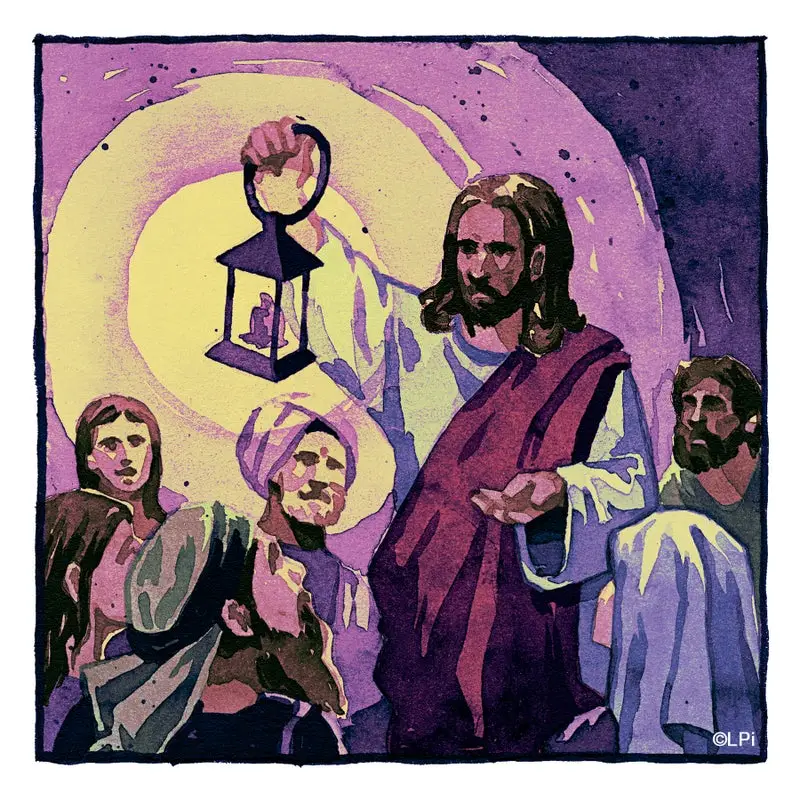
The beginning of Jesus’ public ministry is marked by a decisive change of place and purpose. After the arrest of John the Baptist, Jesus leaves Nazareth and settles in Capernaum, a small fishing village on the shores of the Sea of Galilee. For the evangelist Matthew, this change of location has profound theological significance: the light of God’s salvation does not emanate from the religious center of Jerusalem but from a peripheral, culturally diverse region, one not viewed favorably by the religious authorities.
Matthew interprets Jesus’ choice as the fulfillment of the ancient prophecy of Isaiah: “The people living in darkness have seen a great light.” Galilee had experienced invasion, occupation, and suffering. Galilee symbolized a land shrouded in darkness, death, and uncertainty. Yet, it is precisely there that Jesus begins to proclaim the Gospel, revealing that God’s salvation often begins where hope seems weakest.
Jesus’ first public words are brief but revolutionary: “Repent, for the kingdom of heaven is near.” This is not a threat, but an announcement. A new reality has arrived. God’s reign is no longer distant or future; it is already present. But to recognize it, a radical change of mindset is required. The Greek word metanoia means more than remorse for sin: it demands a complete transformation of the way we think, judge, and live.
Jesus contrasts two kingdoms. The old order is governed by human criteria that value power, competition, wealth, and domination. The strong prevail, and the weak are subjugated. In the kingdom of God, these values are reversed. What once seemed insignificant, meekness, mercy, forgiveness, service, and generosity are now important. This reversal challenges not only social structures but also personal ones. Jesus warns that clinging to the logic of the old world, its mentality and way of life, ultimately leads to failure.
On the shores of the lake, Jesus calls his first disciples. Simon Peter and Andrew are fishermen, dedicated to a laborious and humble profession. Jesus does not invite them by promising a reward or a great prize, but with a mission: “Follow me, and I will make you fishers of men.” They respond immediately, leaving their nets behind. In biblical symbolism, the nets represent everything that binds us and restricts our freedom: fear, our possessions (both material and intellectual), attachment to security, or the need for control. Following Jesus requires the courage to let go of all of that.
Then he calls James and John. They leave not only their nets, but also their boat and their father. The boat symbolizes a way of life rooted in family; leaving it signifies a new direction, not an abandonment of work, but a transformation of its purpose. Entering the ‘new boat’ of the Christian community means carrying out one’s profession and responsibilities with a different objective. The purpose is no longer to gain personal benefit, but to serve, to show compassion, and to work for the good of others.
The Gospel passage concludes by summarizing Jesus’ mission in three verbs: to teach, to proclaim, and to heal. He teaches by illuminating the darkness with truth. He proclaims the Good News that God is not a distant judge but a God of unconditional love, an idea that still unsettles many Catholics today. And he heals not only physical ailments but also the deeper wounds of meaninglessness, despair, and inner emptiness.
The calling of the first disciples is not merely a historical account; it is a living invitation addressed to each of us. Jesus continues to walk along the shores of our lives, calling us to conversion, freedom, and trust. Following him means leaving behind what enslaves us and entering into a new way of life, marked by the values of the Kingdom of God.
May the Lord always give you his peace.
Fr. Lalo Jara, OFM
Pastor, Mission San Luis Rey Parish
Sign up for free class
It’s easy and free!
Tags:Pastoral Reflections