Without faith in the Resurrection, our defeats remain mere defeats, and life ends with death — a senseless tragedy.


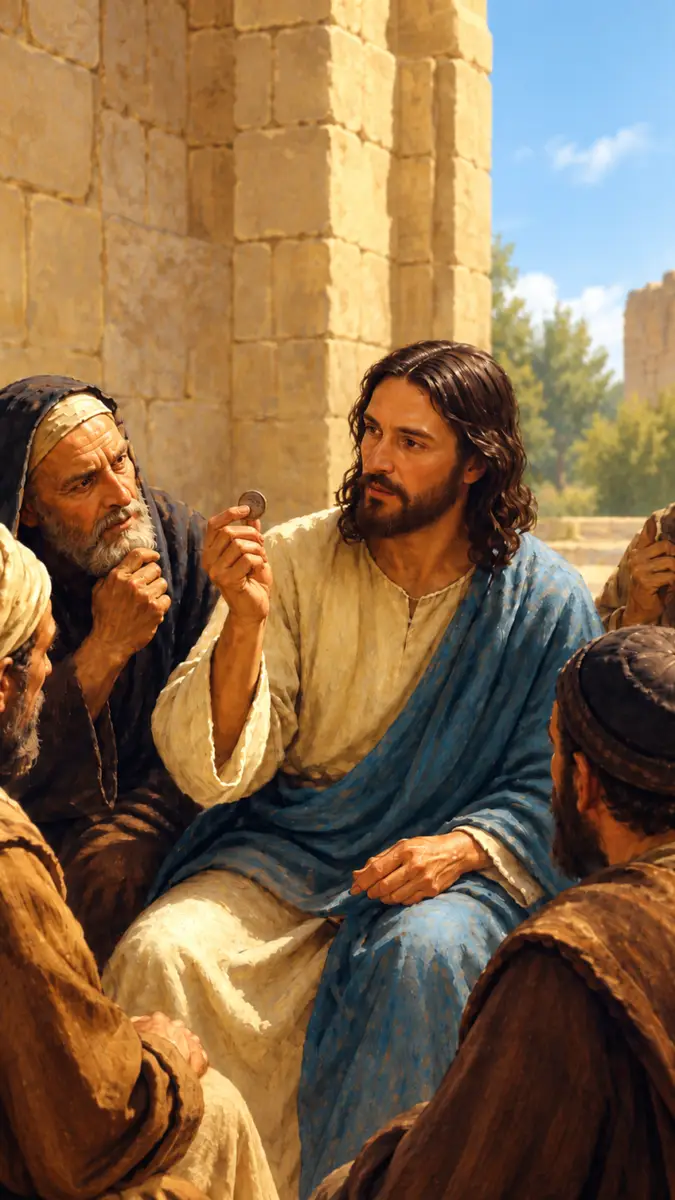
It is April of the year 30 A.D. Two disciples of Jesus—who had lost all hope following the death of Jesus (their Master and Prophet)—are returning to Emmaus, a village situated twenty miles from Jerusalem. This scenario prompts us to ask: Why were the disciples unable to recognize Jesus throughout the entire journey and the conversation they shared over the course of the day?
Moreover, the text notes that their eyes “were kept” from recognizing Him—a kind of blindness. This confirms that the Risen Christ appeared differently; hence, Mary Magdalene, Peter, and other apostles were unable to recognize Him when they encountered Him for the first time after the resurrection. For resurrection from the dead does not signify a return to one’s former life, but rather an entry into the World of God.
We must also pay attention to the phrase describing Jesus seated at the table with the disciples: “While he was at the table with them, he took the bread, pronounced the blessing, broke it, and gave it to them.” Here, the Evangelist Luke explicitly recreates the celebration of the Eucharist. That is to say, while they were still on the road, Jesus presided over the Liturgy of the Word: “beginning with Moses and all the prophets, he interpreted to them what referred to him in all the Scriptures;” that is, what was written concerning the Messiah. And later, in the Breaking of the Bread, they recognize the Lord.
Luke wrote his Gospel around the years 80–90 A.D. By that time, almost all the witnesses to the Risen Lord had already passed away. The rabbis taught that the Messiah would live for a thousand years; they expected a glorious Messiah—a powerful and triumphant king. Yet, Jesus ended up defeated and dead. Their dreams had crumbled, and their plans had failed.
for a thousand years; they expected a glorious Messiah—a powerful and triumphant king. However, Jesus was defeated and killed. Their dreams had crumbled, and their plans had failed.
This Gospel passage for the Third Sunday of Easter tells the story of the Christian communities of Luke’s time. They were persecuted communities, victims of abuse. They witnessed the triumph of evil; the pagans seemed to enjoy a better situation than those who had believed and embraced baptism. This Christian community found itself in the same state of mind as the disciples traveling toward Emmaus. Many Christians reacted in this way to difficulties and persecution: some abandoned their communities; others rejected the answers that flowed from faith.
Yet this story of the disciples of Emmaus is also our own. We, too, are like the two disciples of Emmaus. We know well what Jesus did and taught. But this knowledge is incomplete. Without faith in the Resurrection, our defeats remain mere defeats, and life ends with death—a senseless tragedy.
Let us remember that the disciples on the road to Emmaus, as soon as they recognized the Lord, hastened to announce their discovery to their brothers and sisters, and—together with them—proclaimed their faith: “The Lord has truly risen…!”
When you participate in the Eucharist, do you encounter the Risen Christ? Do you leave the Eucharist with the same enthusiasm and urgency to announce to others that Christ is alive and is the Giver of Life—life in abundance?
May the Lord always give you his peace.
Fr. Lalo Jara, OFM
Pastor, Mission San Luis Rey Parish
Sign up for free class
It’s easy and free!
Tags:Pastoral Reflections