Is our faith translating into forgiveness, justice, service, honesty, and compassion?

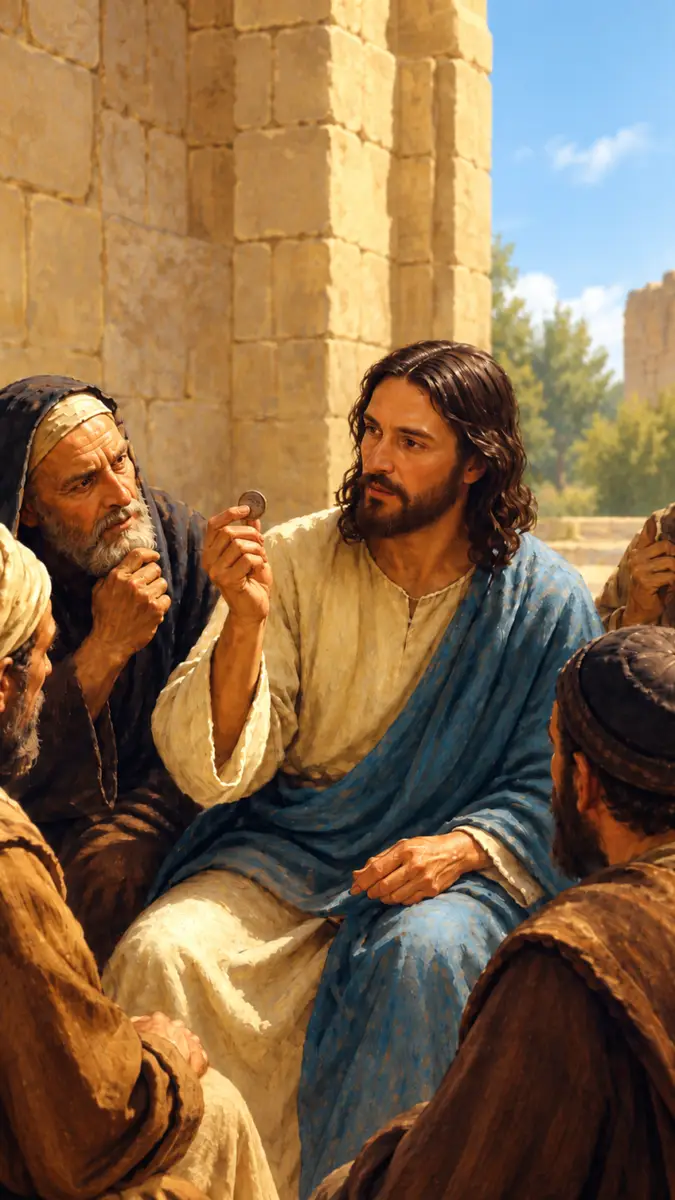
In this Sunday’s Gospel passage, Jesus tells the parable after the leaders challenge his authority. A father asks two sons to work in his vineyard. The first refuses, but then changes his mind and leaves. The second responds respectfully, “I will, sir,” but never goes. When Jesus asks which son did the father’s will, the answer is clear: the first.
Theologian William Barclay titles it “The Better of Two Bad Sons.” Neither response is ideal. One son begins with disobedience, and the other offers words without action. Barclay’s point is that promises cannot replace action, and fine words cannot replace good deeds. The second son calls his father “sir,” showing respect, but true courtesy is obedience.
Jesus applies the parable to tax collectors, prostitutes, high priests, and elders. The sinners had said “no” to God their entire lives. Yet, they believed in John the Baptist, repented, and entered the vineyard. The religious leaders said “yes” through religious observance, but they rejected John’s call and refused conversion. Their profession masked their disobedience.
Pope Francis taught us that obedience is not about saying “yes” or “no”; it is about acting, cultivating the vineyard, doing good, and building the kingdom of God. He warns against religion that remains external but never changes attitudes or engages the conscience.
The Pope draws attention to sincerity. The firstborn is mistaken, but he is honest. By admitting his resistance, he can reconsider, repent, and change course. The second hides behind a false “yes,” protecting his image while avoiding responsibility. Pope Francis distinguished between the sinner, for whom conversion is still possible, and the corrupt person who disguises disobedience and silences honest self-examination.
The parable does not glorify sin or rude refusal. It proclaims that no “no” should become permanent. God patiently gives us space to reconsider and transform refusal into obedience. However, religious language, rituals, and good intentions are worthless if they never translate into action.
The question isn’t simply what we’ve promised, but whether we’re working in the vineyard today. Would it be good for us to ask ourselves: Is our faith translating into forgiveness, justice, service, honesty, and compassion? Let us remember that God prefers an imperfect disciple who repents and acts to an impressive believer whose “yes” is nothing more than empty words.
May the Lord always give you his peace.
Fr. Lalo Jara, OFM
Pastor, Mission San Luis Rey Parish
Sign up for free class
It’s easy and free!